Leaf angle formation in sorghum is driven by coordinated changes in auricle cell development, phenylpropanoid-mediated lignin biosynthesis, and associated gene expression, collectively shaping plant architecture for improved light capture.
Keywords: leaf angle, metabonomics, phenylpropanoid biosynthesis, sorghum bicolor, transcriptomics
Leaf angle is a key architectural trait that strongly influences light interception, photosynthetic efficiency, and yield potential in densely planted crop systems. Optimal leaf angles reduce self-shading and allow more uniform light distribution through the canopy, improving overall productivity. In sorghum, leaf angle is primarily determined by the auricle, the hinge-like structure between the leaf blade and sheath. Using an EMS-induced sorghum mutant (el1) with markedly reduced leaf angles, researchers from Liaoning Academy of Agricultural Sciences and Shenyang University integrated cytological, transcriptomic, and metabolomic analyses to uncover mechanisms shaping this trait. Cytological observations showed that el1 develops significantly fewer and smaller auricle cells than the wild type early in development, leading to a persistently smaller auricle by the S6 stage. Metabolomic profiling revealed substantial differences in differentially accumulated metabolites (DAMs), with upregulated metabolites enriched in 13 pathways, notably phenylpropanoid biosynthesis, while downregulated metabolites were enriched in pathways related to secondary metabolism and flavonoid biosynthesis. These metabolic shifts suggest that alterations to cell wall pathways contribute to the mutant’s reduced leaf angle.
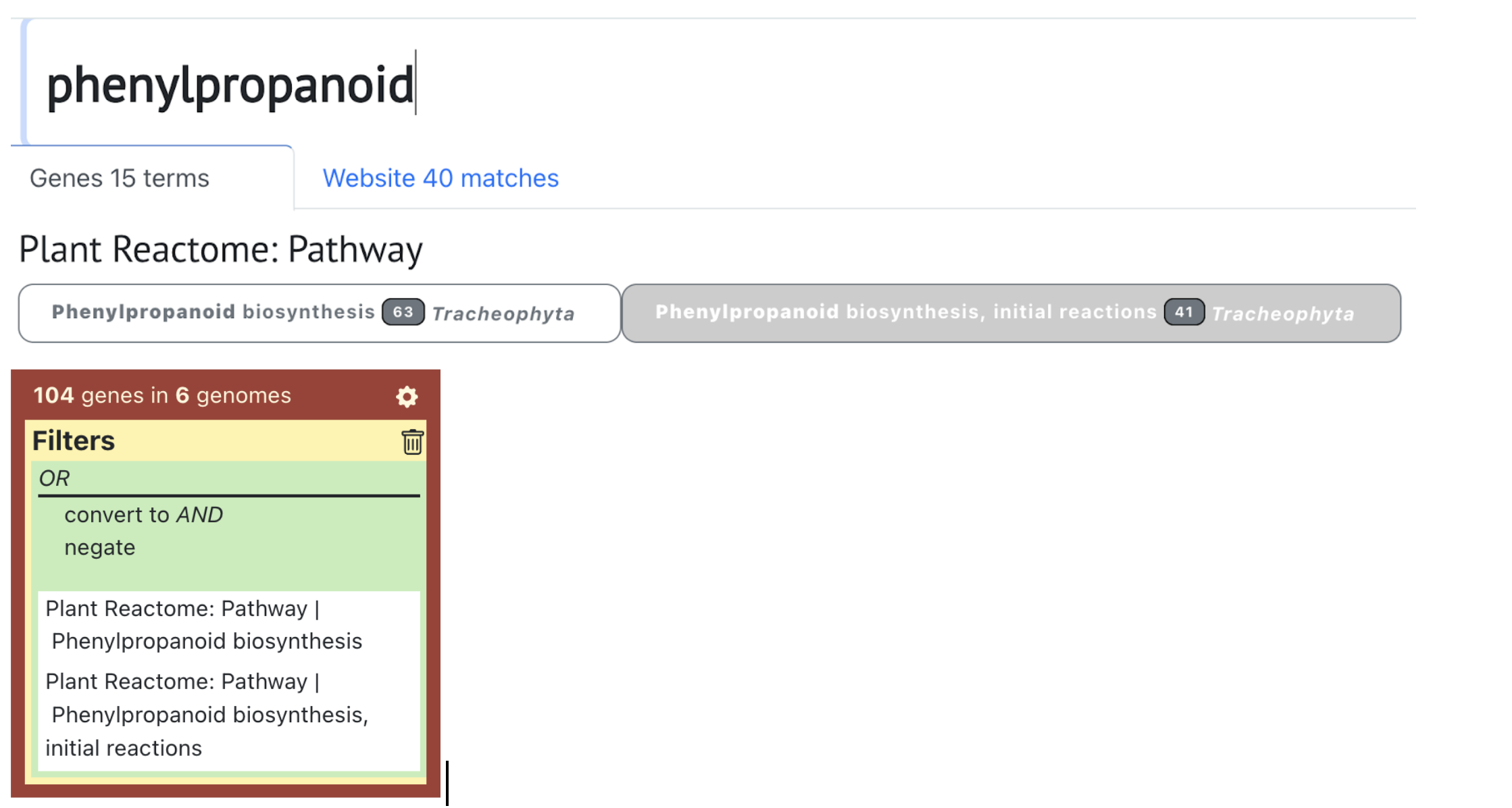
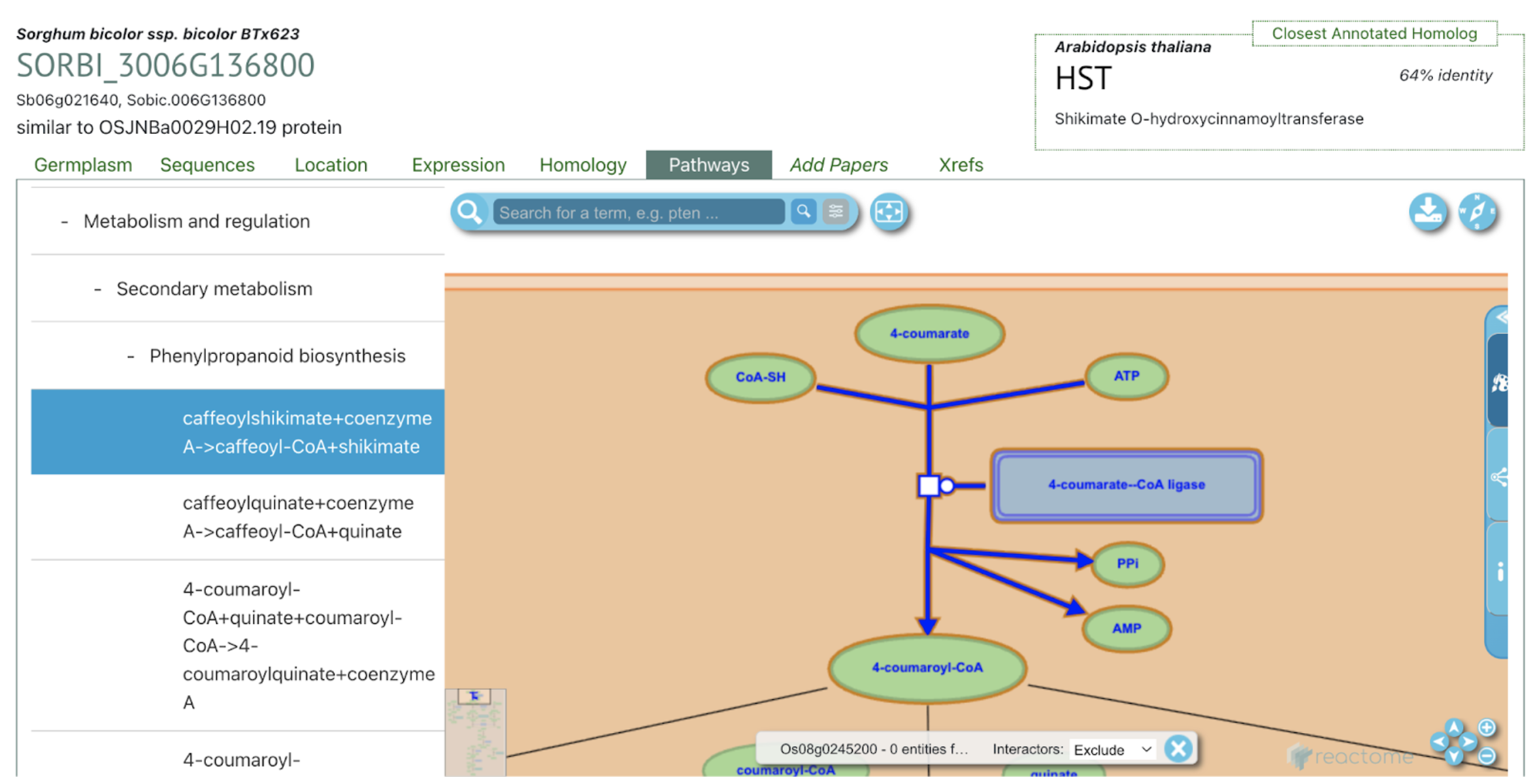
Transcriptomic analysis identified 1,391 differentially expressed genes (DEGs), enriched in pathways including hormone signaling, secondary metabolism, and particularly phenylpropanoid biosynthesis. Within this pathway, the intermediates trans-5-O-(p-coumaroyl)shikimate and coniferyl alcohol emerged as key metabolites, linking changes in metabolic flux to lignin biosynthesis and mechanical support at the auricle. Twelve DEGs were directly associated with regulating these intermediates, supporting a central role for phenylpropanoid metabolism in determining leaf angle. Given parallels with rice and maize, where hormone-mediated modulation of lignin deposition affects lamina joint mechanics, the findings suggest that sorghum leaf angle is shaped by coordinated regulation of phenylpropanoid pathway genes, metabolite production, and auricle development. These results provide a mechanistic foundation for breeding sorghum ideotypes optimized for high-density cultivation.
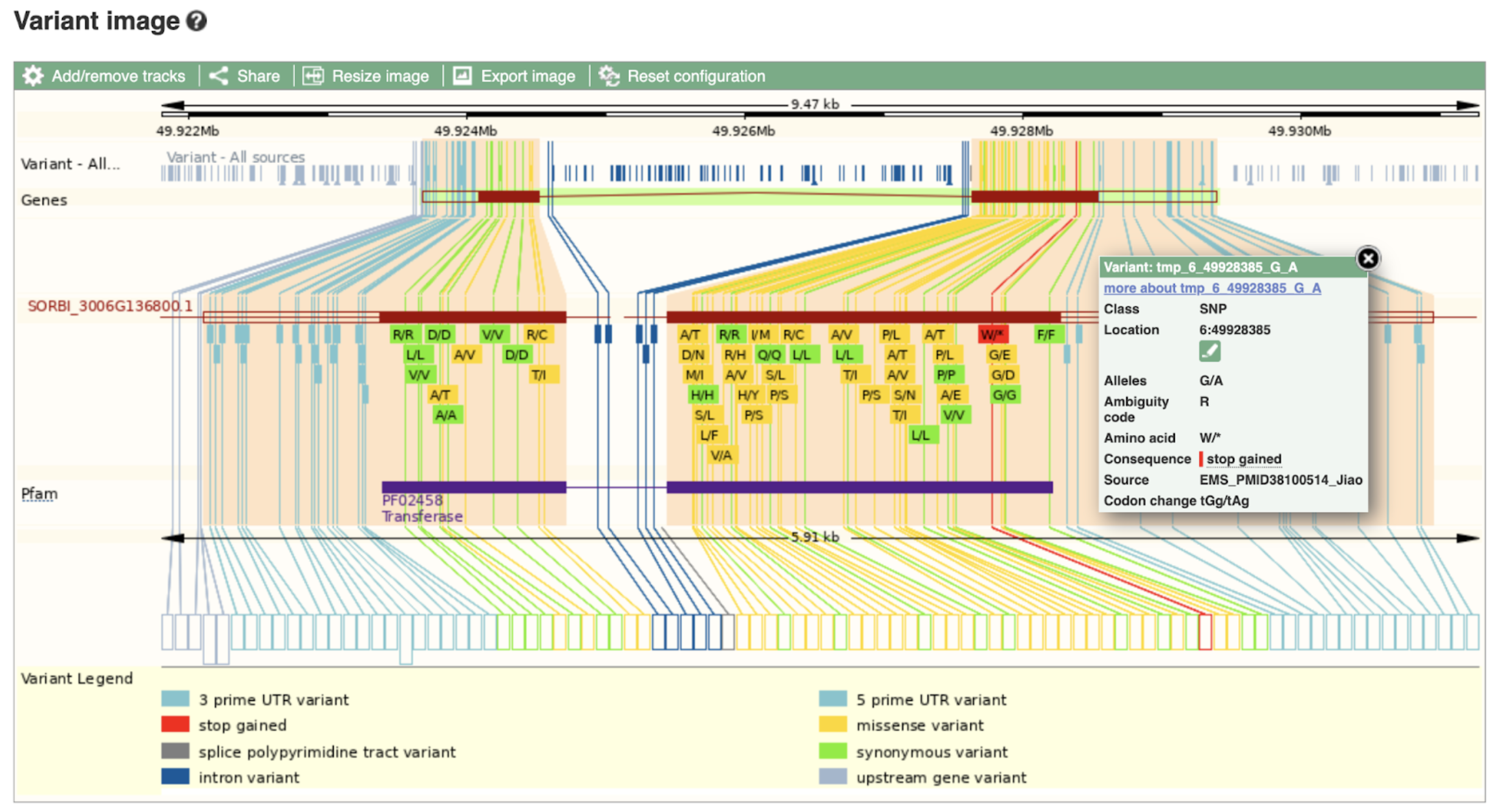
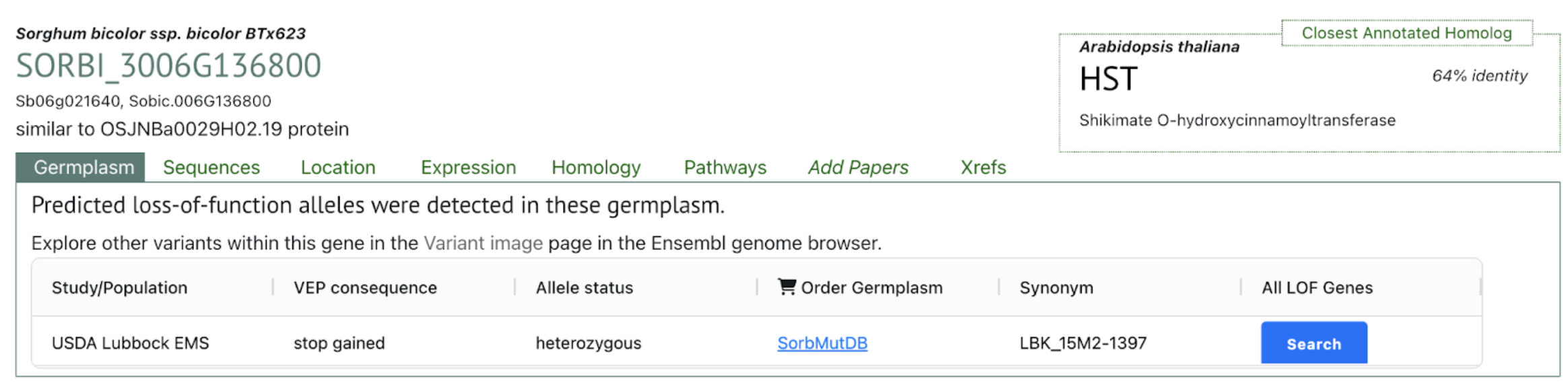
SorghumBase Examples: